Table Games That Build Tactical Skills
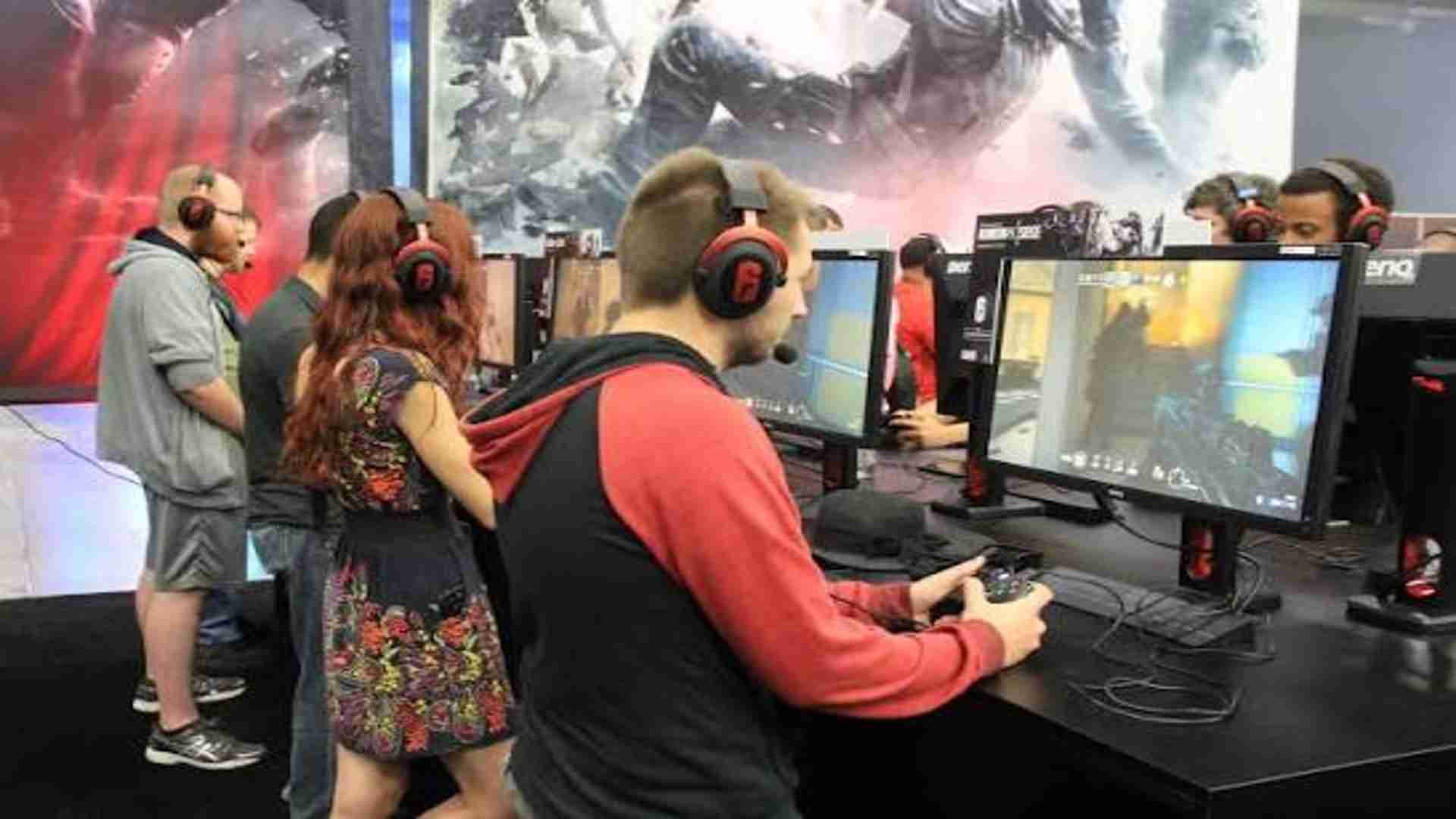
In an era heavily dominated by automated digital entertainment, table games remain a powerful arena for developing high-level mental faculties. Far from being simple pastimes of chance, these activities require players to analyze changing conditions, anticipate opponent actions, and make calculated decisions under pressure. Engaging with tactical tabletop games regularly can sharpen real-world problem-solving abilities and improve long-term cognitive agility.
Understanding Strategic Depth in Tabletop Play
Modern tabletop gaming demands a sophisticated mix of risk assessment and psychological adaptability. Unlike basic entertainment, these games force participants to look several steps ahead and continuously revise their plans. Players must learn to balance defensive caution with calculated aggression based on how the board evolves.
This dynamic interaction helps build cognitive resilience as participants face unpredictable situations and hidden information. By studying opponent patterns and controlling personal emotions, players develop a mature approach to real-world negotiation and planning. Ultimately, the gaming table serves as an accessible laboratory for sharpening practical intelligence and logical reasoning.
Sharpening Decision Making Through Classic Card Games
Card-based table games present a perfect environment for honing statistical awareness and short-term memory. Players are required to calculate probabilities on the fly while simultaneously reading the subtle behavioral cues of their opponents. This constant flow of information forces the mind to stay highly focused and adaptable throughout each round.
Many individuals use dedicated simulation platforms to practice these complex tactical maneuvers and understand card distribution rules. If you are looking for an interactive setup to test your analytical skills, exploring options like the game stick m88 can provide a practical way to engage with these mechanics. Consistent practice allows beginners to steadily transition from basic guesswork into methodical, professional strategies.
The Cognitive Benefits of Modern Board Games
Modern strategy board games have introduced complex resource management systems that closely mirror real-world economics. Players must allocate limited assets, establish trade routes, and secure territory while defending against competitors. This multi-layered structure teaches players how to set long-term goals while dealing with immediate logistical challenges.
Furthermore, these gaming sessions encourage collaborative problem-solving and promote healthy social interaction. Navigating a complex system of rules with friends helps individuals cultivate patience, empathy, and collaborative leadership skills. These social and intellectual benefits make board gaming an excellent choice for personal development across all age groups.